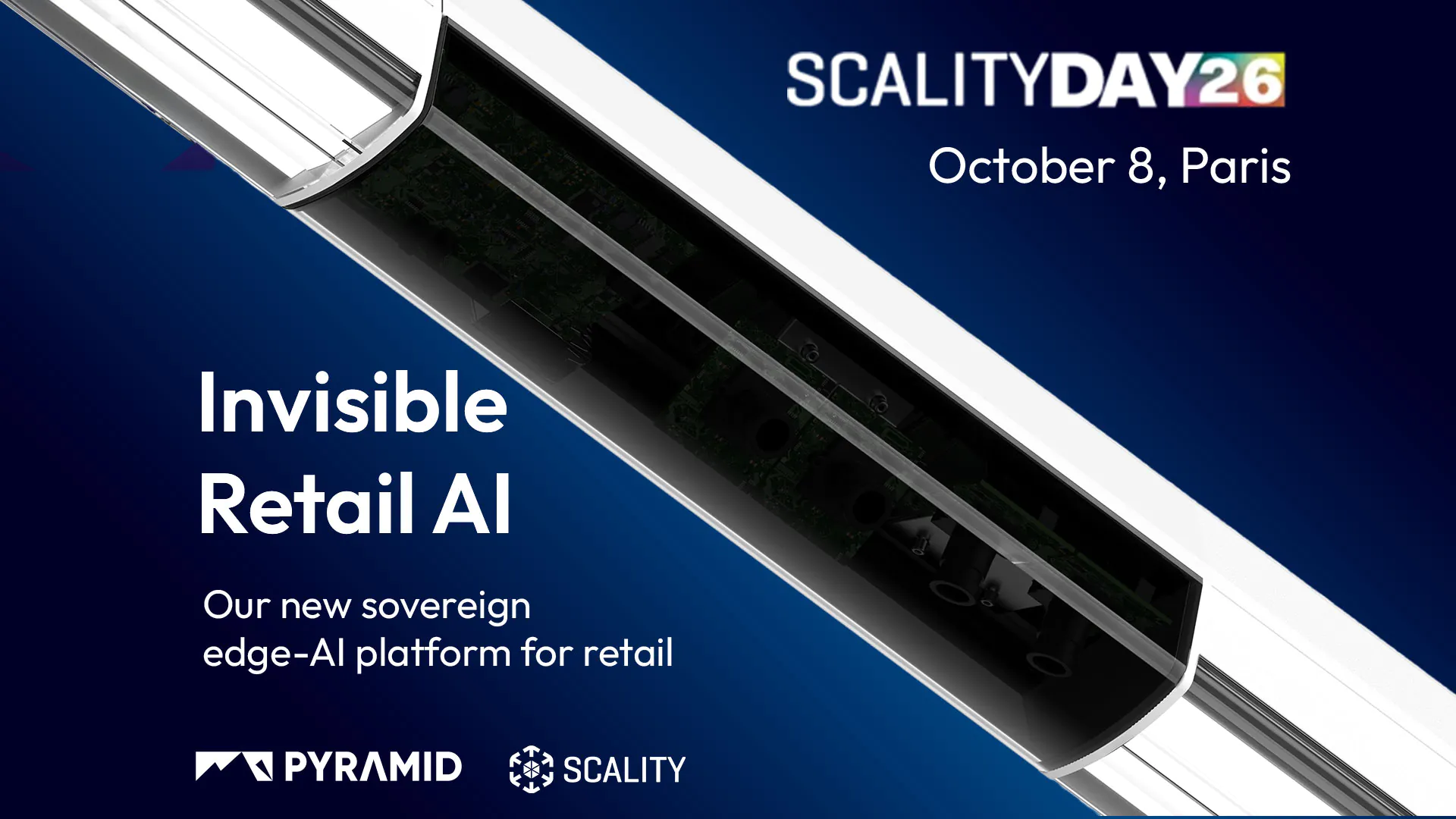
Cameras integrated into light rails above the sales floor, the NVIDIA Metropolis VSS Blueprint running on Pyramid GPU servers, and Scality ARTESCA storage form a modular reference platform for providers of retail applications—supplemented by a proprietary sizing tool. The new solution will be publicly unveiled for the first time on October 8 as a live demonstration environment at ScalityDay in Paris.
Pyramid Computer GmbH , and Scality have developed a reference platform that converts retail camera footage into immediately actionable insights. The cameras are integrated into the light rails above the sales floor. The NVIDIA Metropolis Blueprint for Video Search and Summarization (VSS) analyzes the video data on GPU servers from Pyramid, while all recordings are stored locally in Scality ARTESCA via the standardized S3 interface.
The platform is designed for providers of retail applications. Instead of having to integrate cameras, computing power, and storage into a complete solution themselves, they can build on a ready-to-use technological foundation and focus on processes, user interfaces, and integration with inventory management and point-of-sale systems. Using the Sizing Studio planning tool, it is possible to determine—even before installing the first light rail—what infrastructure a store needs—and how the system can be scaled in the future.
Hardware for use directly above the sales floor
Video AI can only be reliably deployed in retail environments if the hardware is designed for on-site conditions. With the solution presented here, lighting and camera modules can be combined into light rails up to ten meters long, and camera angles can be adjusted directly on site. The camera and lighting share a common power supply and data interface. Each camera has its own NPU and can preprocess basic AI tasks directly at the point of capture. Three modules are available for different applications:
The Shelf Module features three cameras—two motorized tilt cameras and one downward-facing camera. It can be used, for example, to detect gaps on shelves, assist with restocking processes, and perform planogram checks. The Aisle Module uses two cameras positioned at a 45-degree angle to track customer flow and queues. The 360° module uses a dual-motorized camera and provides comprehensive coverage regardless of the store layout.
The system was developed for a leading European retailer. It is now available for custom client projects with other retail companies and can integrate additional camera sources.
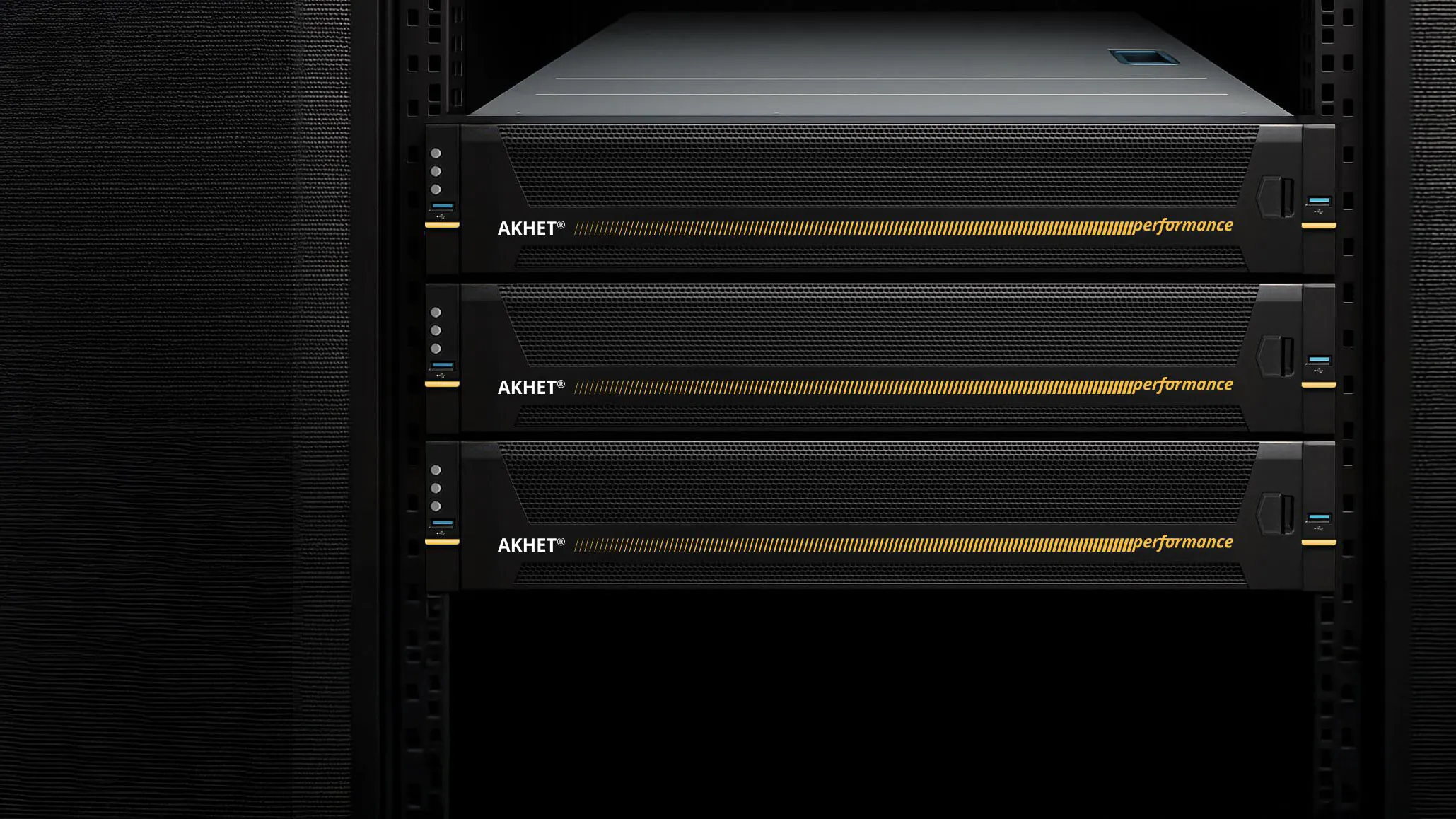
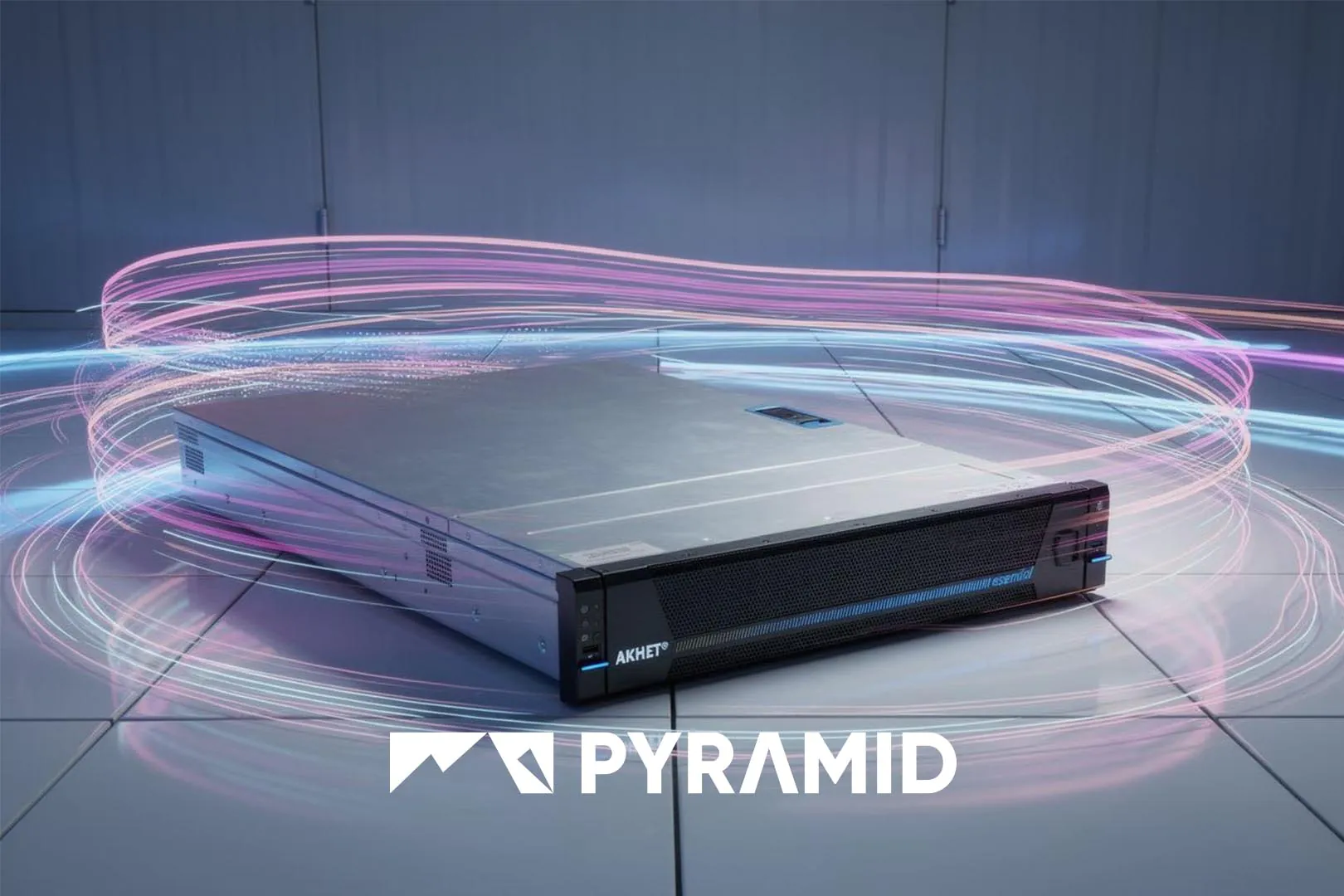
Pyramid provides both the NVIDIA-accelerated GPU server for processing video streams and the storage server on which ARTESCA runs. This means that the core hardware components come from a single source. Pyramid has many years of experience with international retail applications and develops systems designed for limited installation space, easy maintenance, and scalability across numerous locations.
“Retailers shouldn’t have to deal with a multitude of different technologies to derive economic value from them. By integrating cameras and lighting and providing both the GPU and storage servers, we’re turning video AI into a comprehensive solution that can be installed, operated, and scaled in virtually any store,” says Ralf Steinemann, Director of Sales & Marketing at Pyramid Computer GmbH .
From Assessment to Concrete Action
When combined with AI, video footage can answer exactly the questions that are critical to retailers in their day-to-day operations: Is a shelf empty? Is merchandise in the wrong place? Is a product leaving the self-checkout area without being scanned?
NVIDIA Cosmos and the Metropolis VSS Blueprint enhance the platform with vision-language analysis of live streams and recorded video data, real-time alerts, and the ability to search for and define applications using natural language. Alarm rules can be described in words and sentences rather than having to be programmed. Events, objects, or actions can be identified directly in the recordings without requiring employees to spend hours manually searching through video footage.
Video data remains under the retailer's control
The recordings are stored in Scality ARTESCA via the standardized S3 interface. This eliminates the need for software providers to develop their own proprietary storage integrations. ARTESCA scales with growing data volumes and offers features for data integrity, encryption, and retention policies. At the same time, the original recordings remain available for tracking events or investigating past incidents.
Since both the recording and the video analysis take place on-site, the video data remains under the retailer’s control. This is a particularly important consideration in Europe, as video recordings of customers and employees are subject to applicable data protection regulations.
Plan first, then install and scale
No two stores are alike. That’s why the platform features its own planning tool. The Sizing Studio, which is part of the Operator Console, uses the sales area, ceiling height, and selected use cases to determine the infrastructure required for a store—from cameras and lighting tracks to GPU servers and ARTESCA storage.
At the same time, the Sizing Studio demonstrates how the individual layers of the platform scale in relation to one another. Lighting tracks can be expanded modularly, and additional camera sources can be integrated. In parallel, the capacity of the GPU servers grows in line with the required analysis performance, while ARTESCA scales with the volume of data to be archived.
Retail application providers can use this to determine a specific project scope and implementation plan based on an initial discussion with the customer—ranging from a single store to a rollout across multiple locations. The results generated by the Sizing Studio serve as planning estimates and should be verified on-site.
A Proven Path from a Demonstration to a Client Project
Scality systematically tests and documents integrations with partner applications and helps software vendors validate their storage connections and adapt them to ARTESCA. This reduces the integration effort even before a specific customer project begins.
“Video AI generates enormous amounts of data that retailers must keep locally available, searchable, and secure. With ARTESCA, application providers get a standardized S3 interface and a proven path to production without having to develop their own storage layer,” says Stéphane Richard, Product Director, Technical Alliances at Scality.
Live at ScalityDay 2026
Pyramid Computer and Scality will present the demonstration environment on October 8, 2026, at ScalityDay in the 3 Mazarium at the Institut de France in Paris. The presentation will take place as part of the session titled “Why NVIDIA VSS and ARTESCA+ meet PYRAMID.”