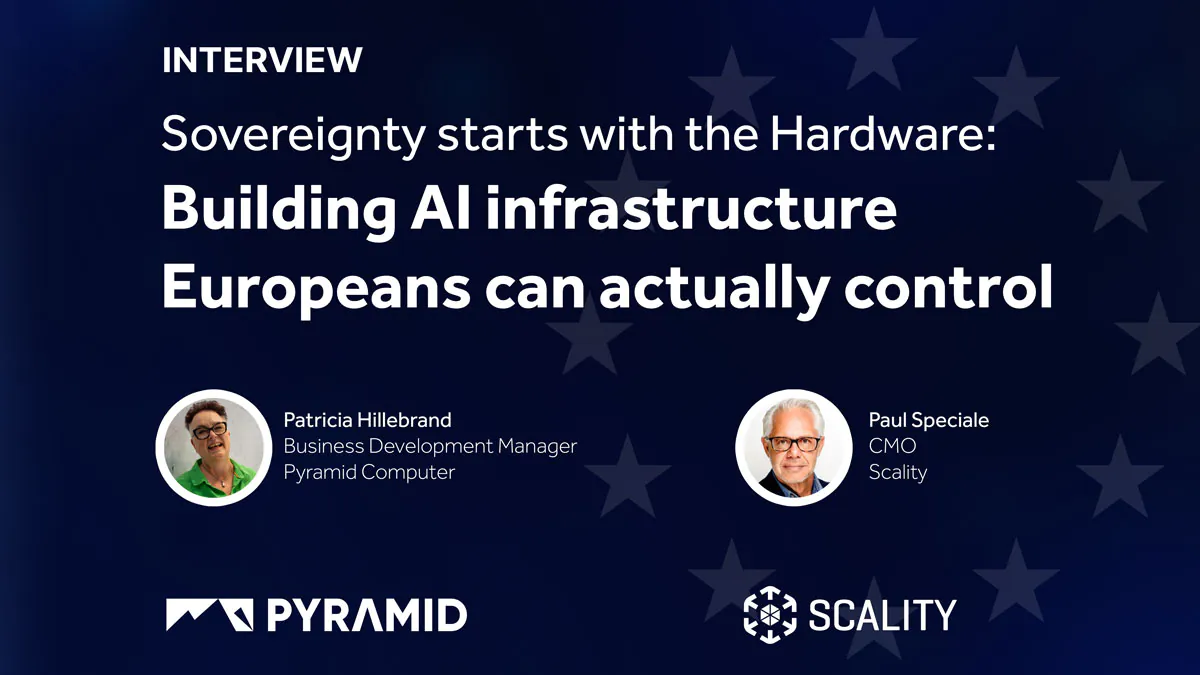
How much control do companies retain over their data and AI infrastructure? And what role does hardware play in this? Patricia Hillebrand, Business Developer at Pyramid Computer , discusses this topic with Paul Speciale, Chief Marketing Officer at Scality, in a recent interview with ODBMS.org.
Titled “Sovereignty Starts with the Hardware,” the interview highlights the differences between AI infrastructures in the hyperscale cloud and in on-premises systems. For Patricia, digital sovereignty begins at the hardware level: Those who operate their own infrastructure can determine for themselves where data is stored and processed, who is allowed to access it, and how the hardware, network, and software are operated.
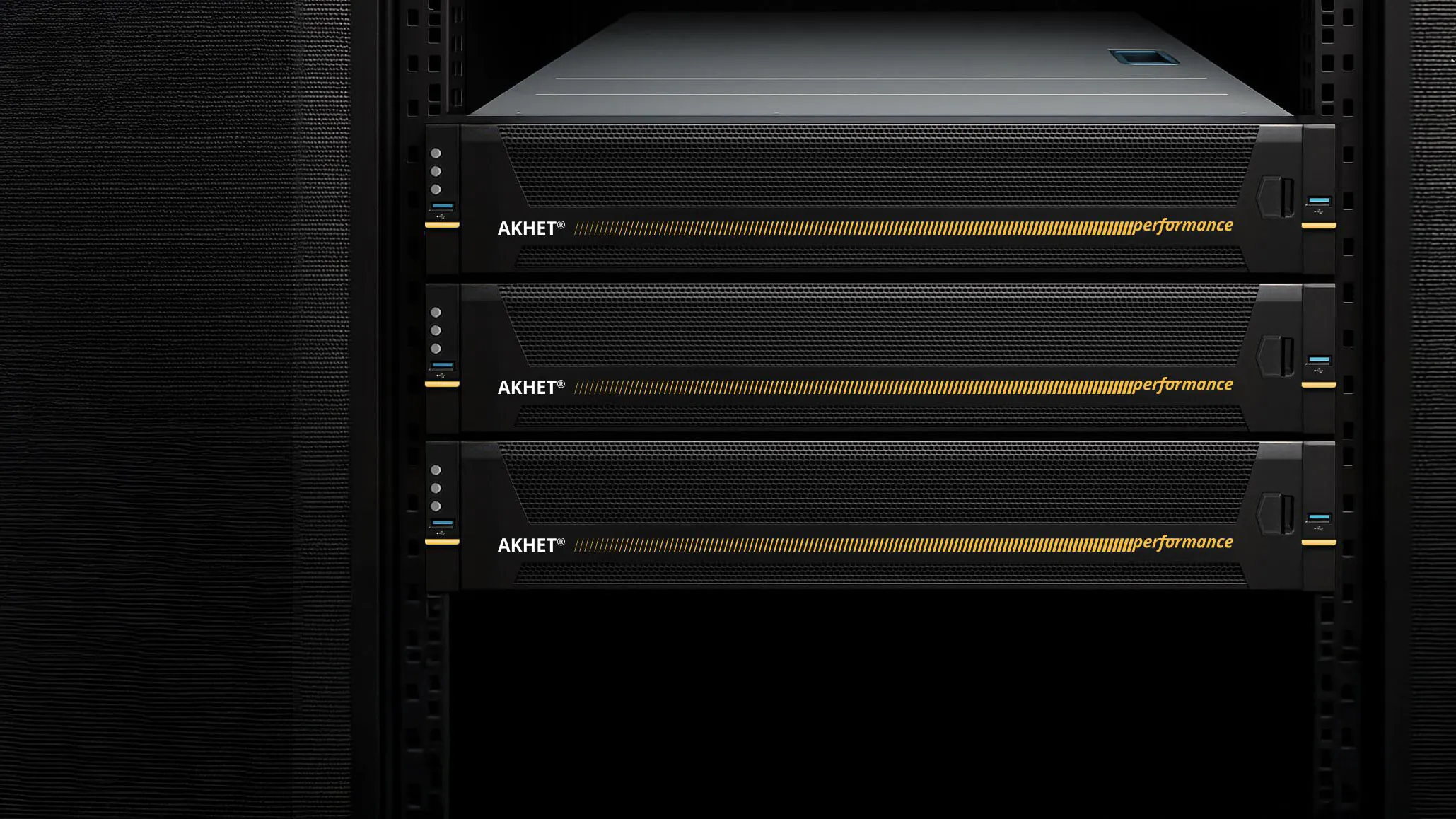
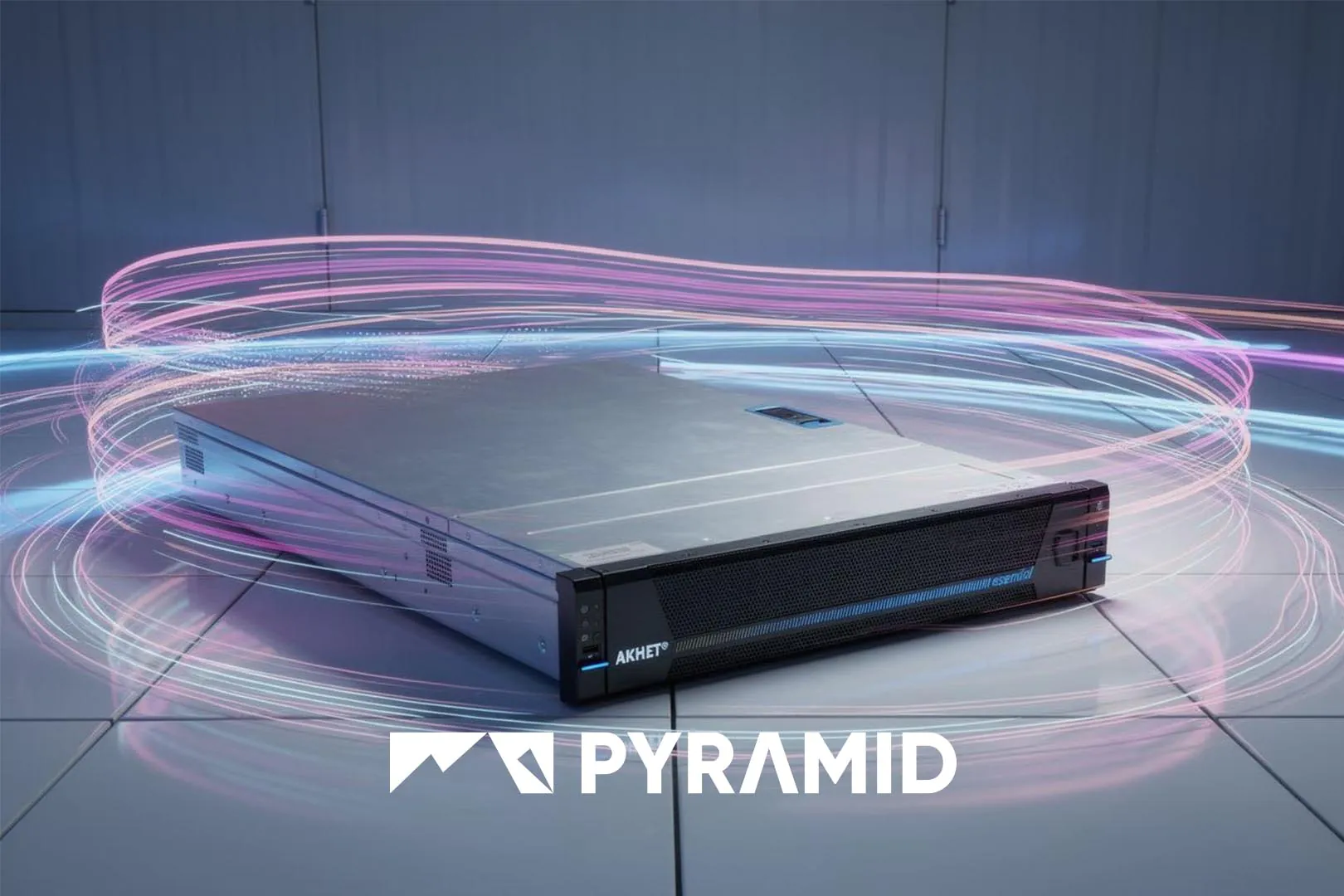
Another key focus is the partnership between Pyramid Computer and Scality. Pyramid develops and manufactures the hardware platforms in Germany, while Scality develops its software in France. Together, they create compute and object storage infrastructures in which hardware and software are finely tuned to work in harmony. Especially for AI workloads, this synergy determines factors such as inference speed, storage throughput, energy consumption, and costs.
The interview also examines applications in healthcare, media, autonomous systems, and edge AI, as well as the question of how European companies can better manage dependencies within their IT infrastructure.
ODBMS.org is an international specialized portal for AI, GenAI, data platforms, and data management that has been in operation since 2005. In addition to technical articles, the platform publishes interviews and Q&As with experts from academia and the IT industry.
Click here to read the full interview on ODBMS.org.